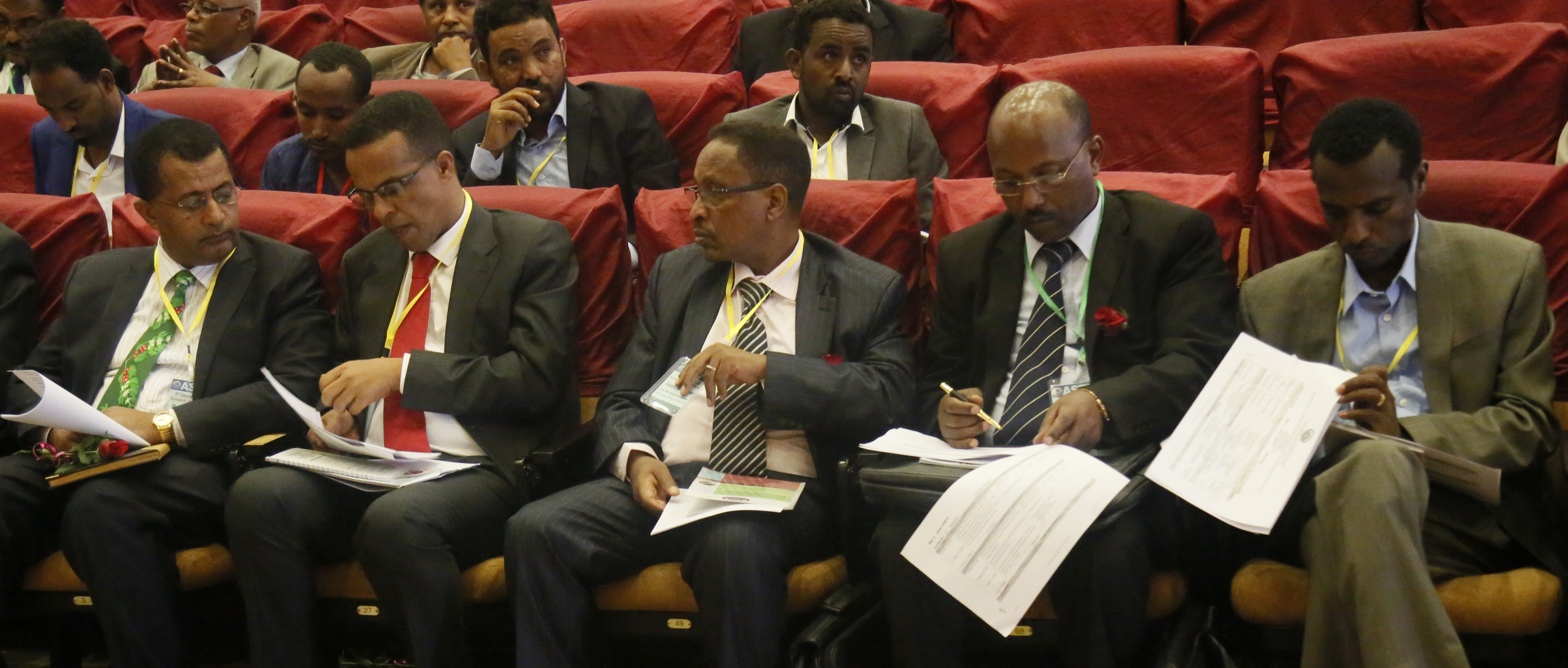
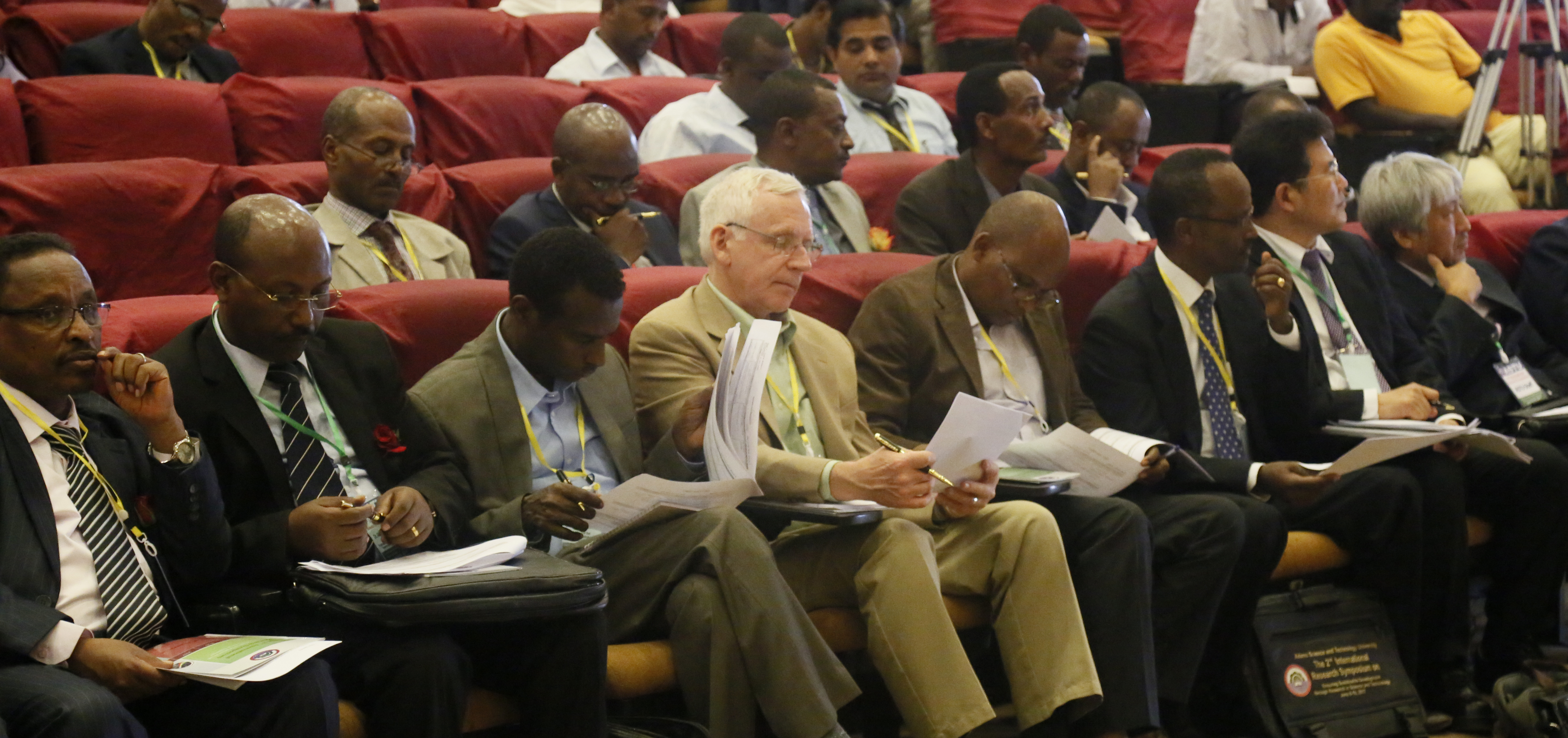
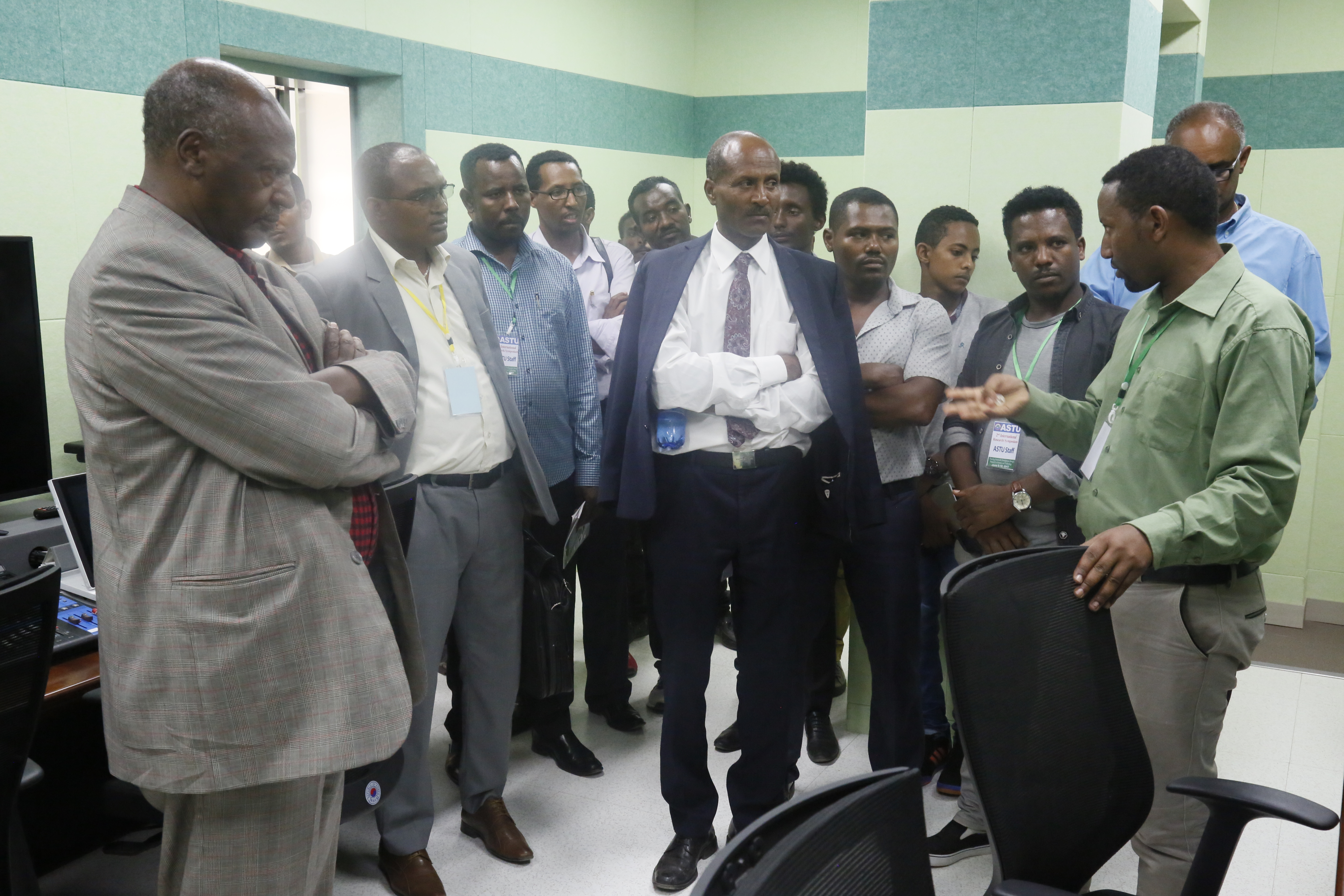
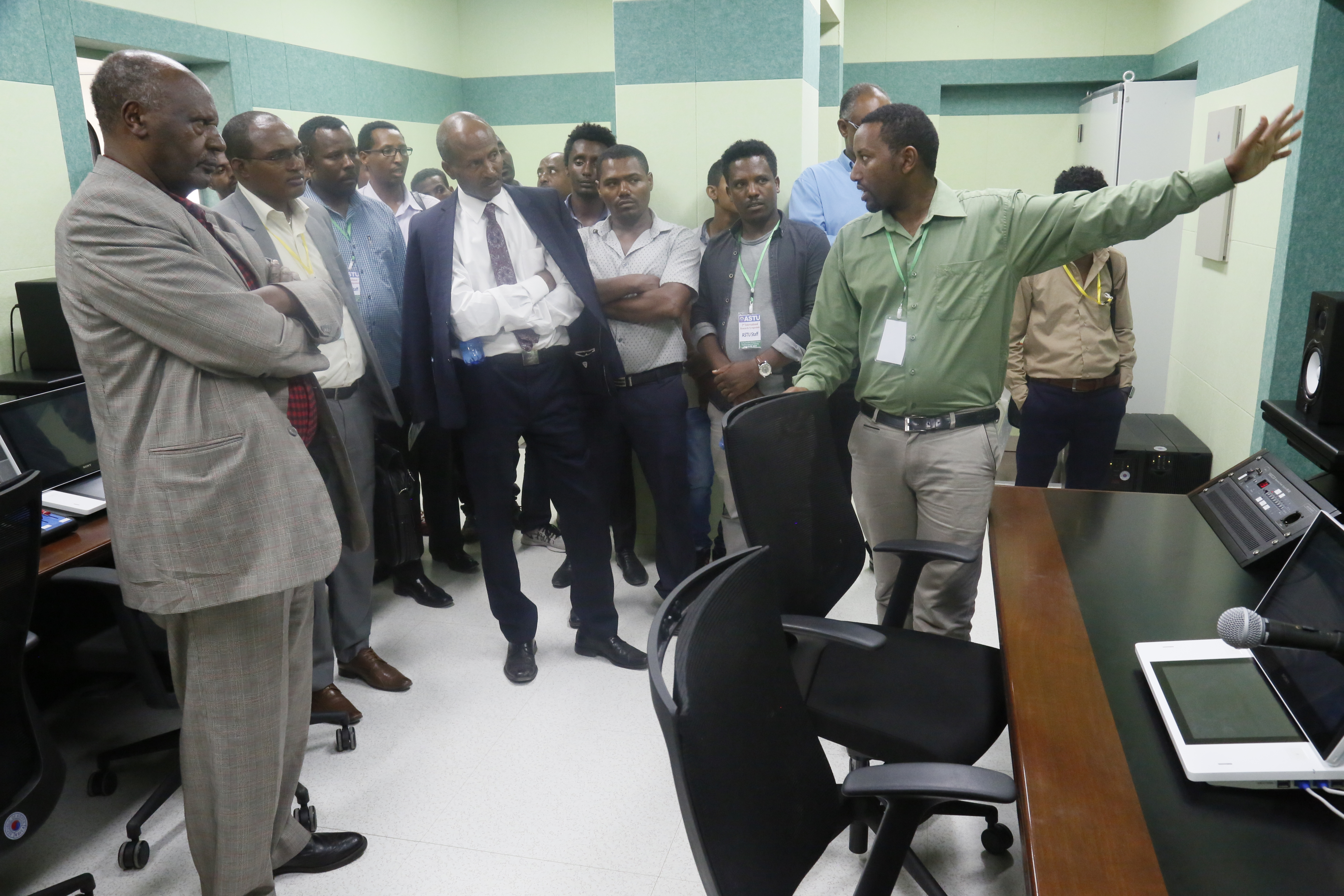
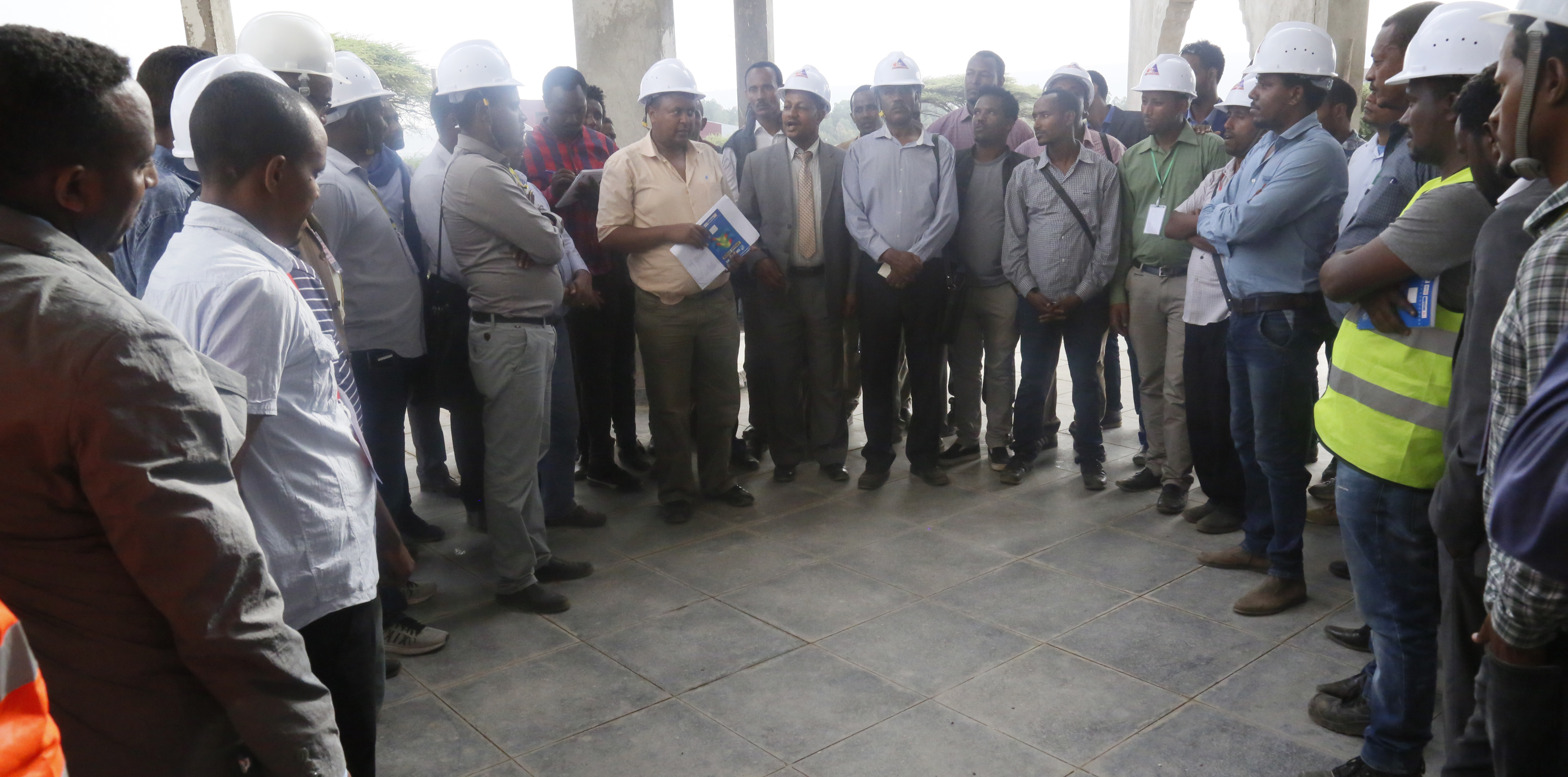
The Water Resources Engineering Department trains professionals in the planning, design, construction, and management of water-related infrastructure, encompassing canals, pipe networks, dams and ancillary structures, culverts, diversion structures, reservoirs, and river-training works. The curriculum also addresses environmental protection, hydro-climatology, and safe water supply and sanitation. In alignment with Ethiopia's vast water resources potential.
Program Education Objectives (PEOs)
|
PEO |
Statement |
|
PEO-1 |
To produce qualified Water Resource Engineers with the potential to execute detailed pre-feasibility study, planning, design and construction of water resources projects with high potential of being Leaders in industries, governmental organizations and NGO‘s throughout their career. |
|
PEO-2 |
To create Water resources professionals who identify societal problems in order to maintain and rehabilitate existing water Resources Infrastructures. |
|
PEO-3 |
To produce Water Resources scientists who conduct research and experimental study with art of innovative knowledge and technology transfer. |
|
PEO-4 |
To produce Water Resources Engineers who can investigate the complex water resources problems, pursue advanced studies and conduct research in local and trans-boundary rivers |
Student Outcomes (SO)
|
SO |
Statement |
|
SO-1 |
An ability to identify, formulates, and solves complex Water resources engineering problems by applying principles of engineering, science, and mathematics. |
|
SO-2 |
An ability to apply water resources engineering design to produce solutions that meet specified needs with consideration of public health, safety, and welfare, as well as global, cultural, social, environmental, and economic factors. |
|
SO-3 |
An ability to communicate effectively with a range of audiences. |
|
SO-4 |
An ability to recognize ethical and professional responsibilities in water resources engineering situations and make informed judgments, which must consider the impact of engineering solutions in global, economic, environmental, and societal contexts. |
|
SO-5 |
An ability to function effectively on a team whose members together provide leadership, create a collaborative and inclusive environment, establish goals, plan tasks, and meet objectives. |
|
SO-6 |
An ability to develop and conduct appropriate experimentation, analyze and interpret data, and use water resources engineering judgment to draw conclusions. |
|
SO-7 |
An ability to acquire and apply new knowledge as needed, using appropriate learning strategies. |
Upcoming Events
 HCERES International Accreditation Evaluation Visit to ASTU
Calendar
| November 2026 | ||||||
|---|---|---|---|---|---|---|
| M | T | W | T | F | S | S |
| 1 | ||||||
| 2 | 3 | 4 | 5 | 6 | 7 | 8 |
| 9 | 10 | 11 | 12 | 13 | 14 | 15 |
| 16 | 17 | 18 | 19 | 20 | 21 | 22 |
| 23 | 24 | 25 | 26 | 27 | 28 | 29 |
| 30 | ||||||
Systems

Connect with us
We're on Social Networks.
Follow us & get in touch.