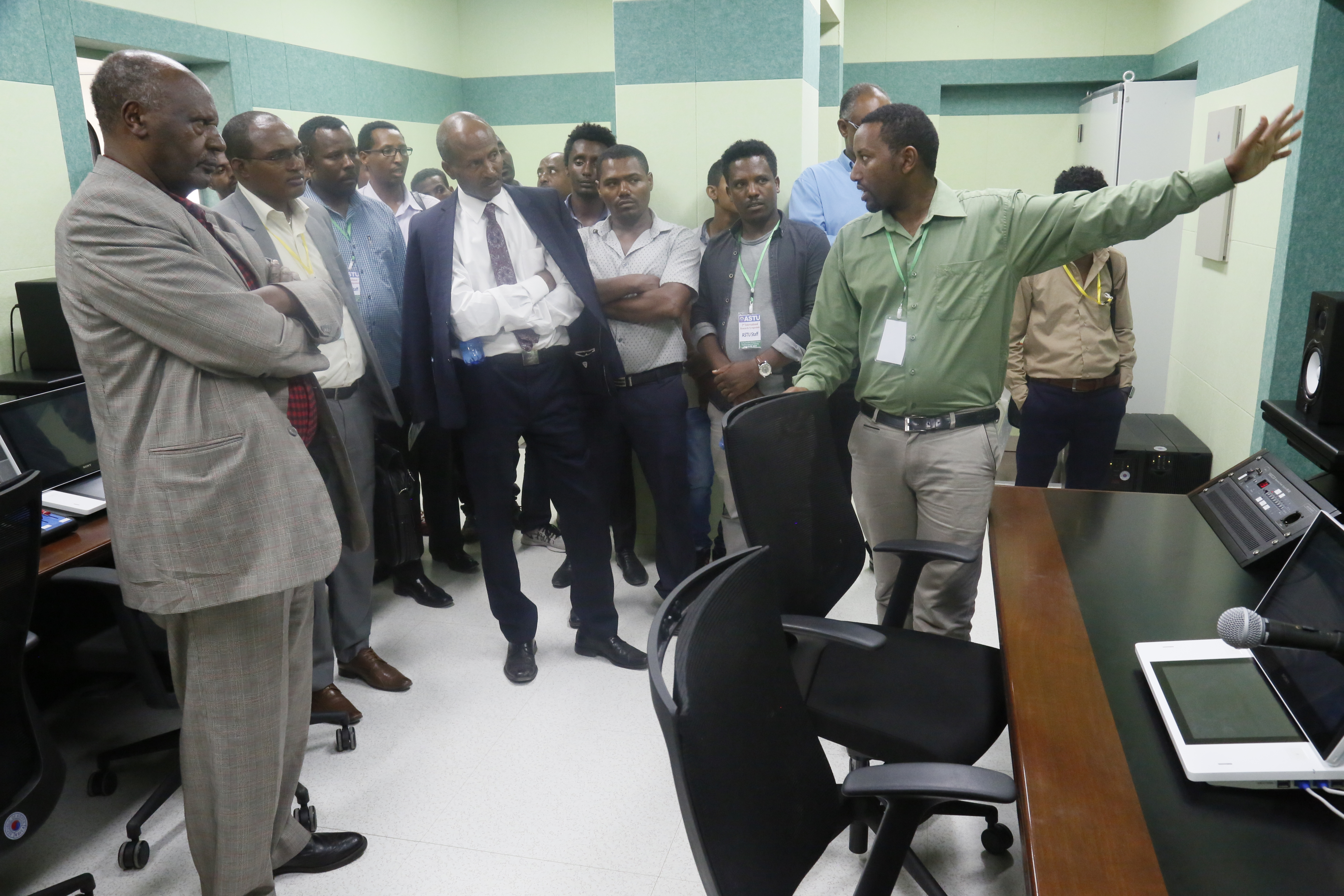
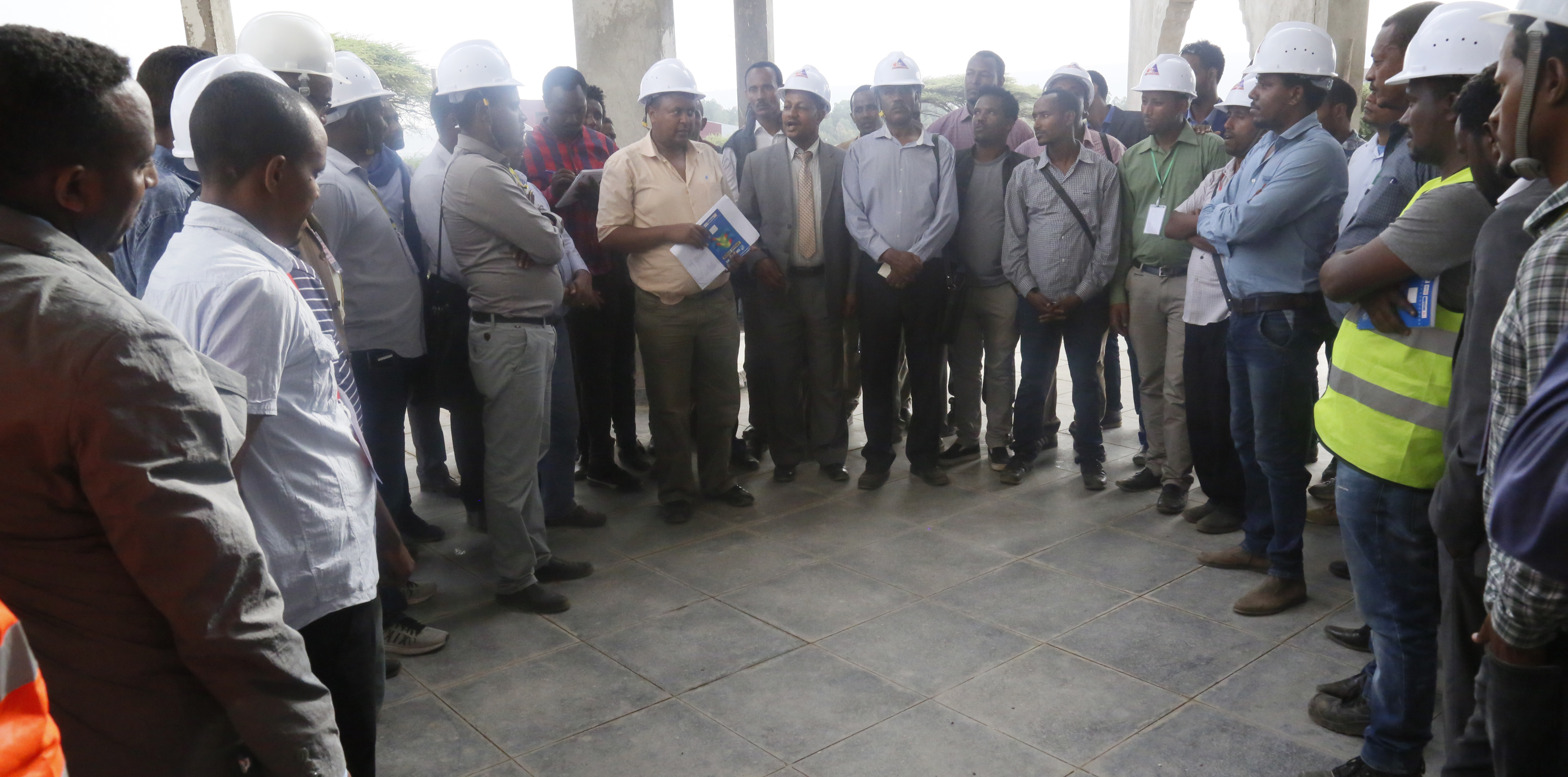
Ethiopia is endowed with significant irrigation potential, but development has been hampered by a shortage of highly qualified professionals. This program aims to produce competent graduates equipped with advanced technical, analytical, and research skills to address complex irrigation and water management problems using modern technologies and scientific approaches.
Program Educational Objectives (PEOs)
- PEO1 (Technical Competence): Apply advanced principles of irrigation engineering, water resources management, and hydraulic systems to design and improve irrigation projects.
- PEO2 (Research & Innovation): Conduct independent and collaborative research to address complex irrigation and agricultural water management challenges.
- PEO3 (Sustainable Water Management): Develop sustainable irrigation solutions that enhance water-use efficiency, environmental protection, and climate resilience.
- PEO4 (Professional Leadership): Demonstrate leadership, project management, and effective communication in multidisciplinary environments.
- PEO5 (Ethical Responsibility): Practice irrigation engineering with integrity, professionalism, and consideration of social, economic, and environmental implications.
- PEO6 (Lifelong Learning): Engage in continuous learning and adapt to emerging technologies and innovations in the field.
Student Outcomes (SOs)
- SO1 (Advanced Knowledge): Apply advanced knowledge of irrigation engineering, hydraulics, and soil-water-plant relationships.
- SO2 (Problem Analysis): Identify, formulate, and solve complex irrigation and water resources problems.
- SO3 (System Design): Design and optimize irrigation, drainage, and water conveyance systems.
- SO4 (Research): Conduct independent and collaborative research.
- SO5 (Modern Tools): Apply modern engineering tools, modeling software, remote sensing, and GIS.
- SO6 (Communication): Communicate technical findings effectively.
- SO7 (Teamwork): Work effectively in multidisciplinary teams.
- SO8 (Ethics): Apply ethical principles and professional standards.
- SO9 (Lifelong Learning): Recognize the need for continuous professional development.
Duration, Admission, Graduation
- Duration: 2 years (4 semesters).
- Admission: B.Sc. in Irrigation Engineering, Water Resources and Irrigation Engineering, Civil Engineering, and related fields, with a CGPA of at least 2.5 (female) and 2.75 (male), and successful completion of an entrance examination.
- Graduation: Completion of 37 credit hours (including 6 credit hours of thesis).
Course Structure (Total Credits: 37)
|
Course Category |
Credit Hours |
|
Compulsory Mandatory Courses |
12 |
|
Compulsory Elective Courses |
14 |
|
Free Elective Course |
3 |
|
Graduate Seminars |
2 |
|
Master's Thesis |
6 |
Upcoming Events
 HCERES International Accreditation Evaluation Visit to ASTU
Calendar
| November 2026 | ||||||
|---|---|---|---|---|---|---|
| M | T | W | T | F | S | S |
| 1 | ||||||
| 2 | 3 | 4 | 5 | 6 | 7 | 8 |
| 9 | 10 | 11 | 12 | 13 | 14 | 15 |
| 16 | 17 | 18 | 19 | 20 | 21 | 22 |
| 23 | 24 | 25 | 26 | 27 | 28 | 29 |
| 30 | ||||||
Systems

Connect with us
We're on Social Networks.
Follow us & get in touch.