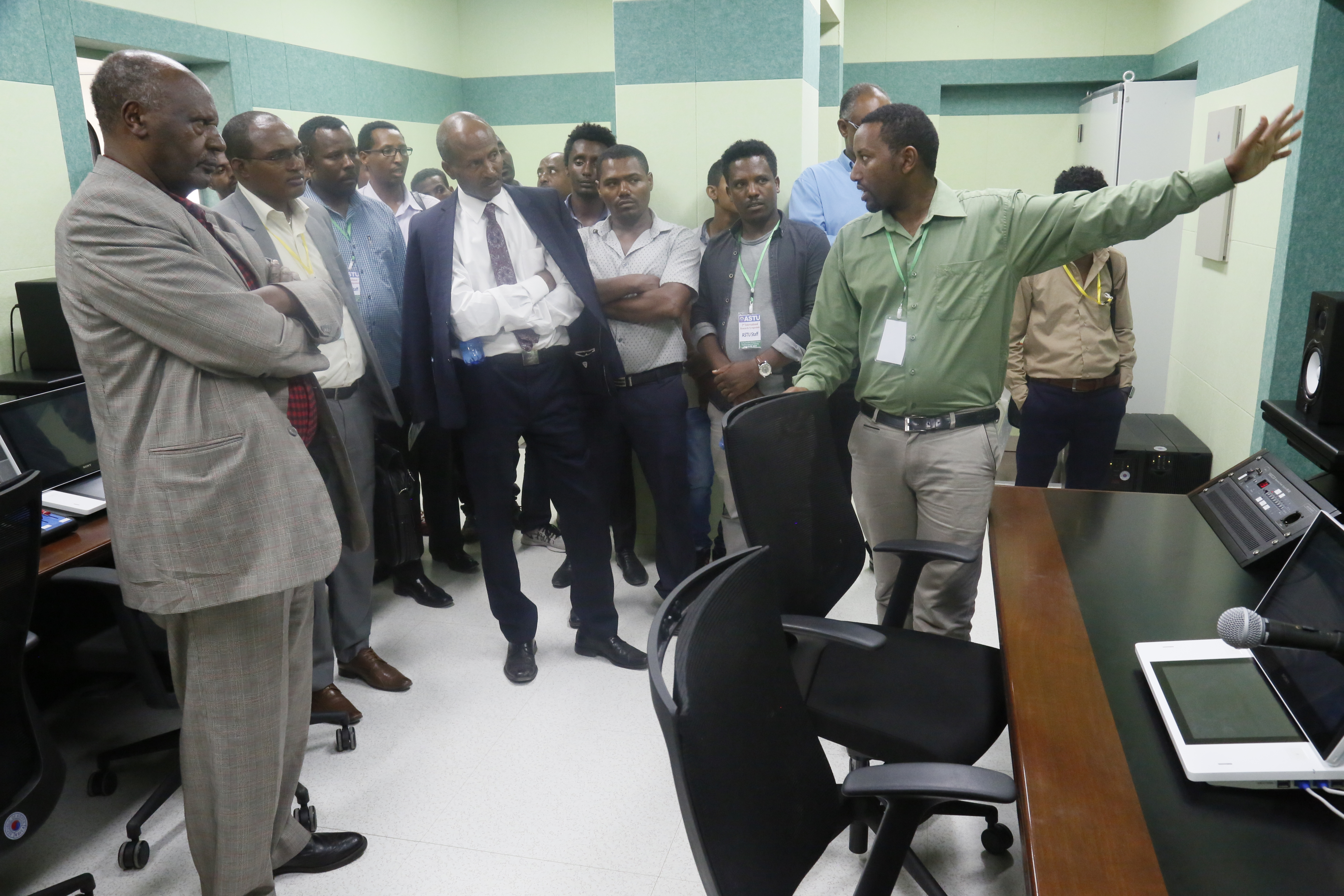
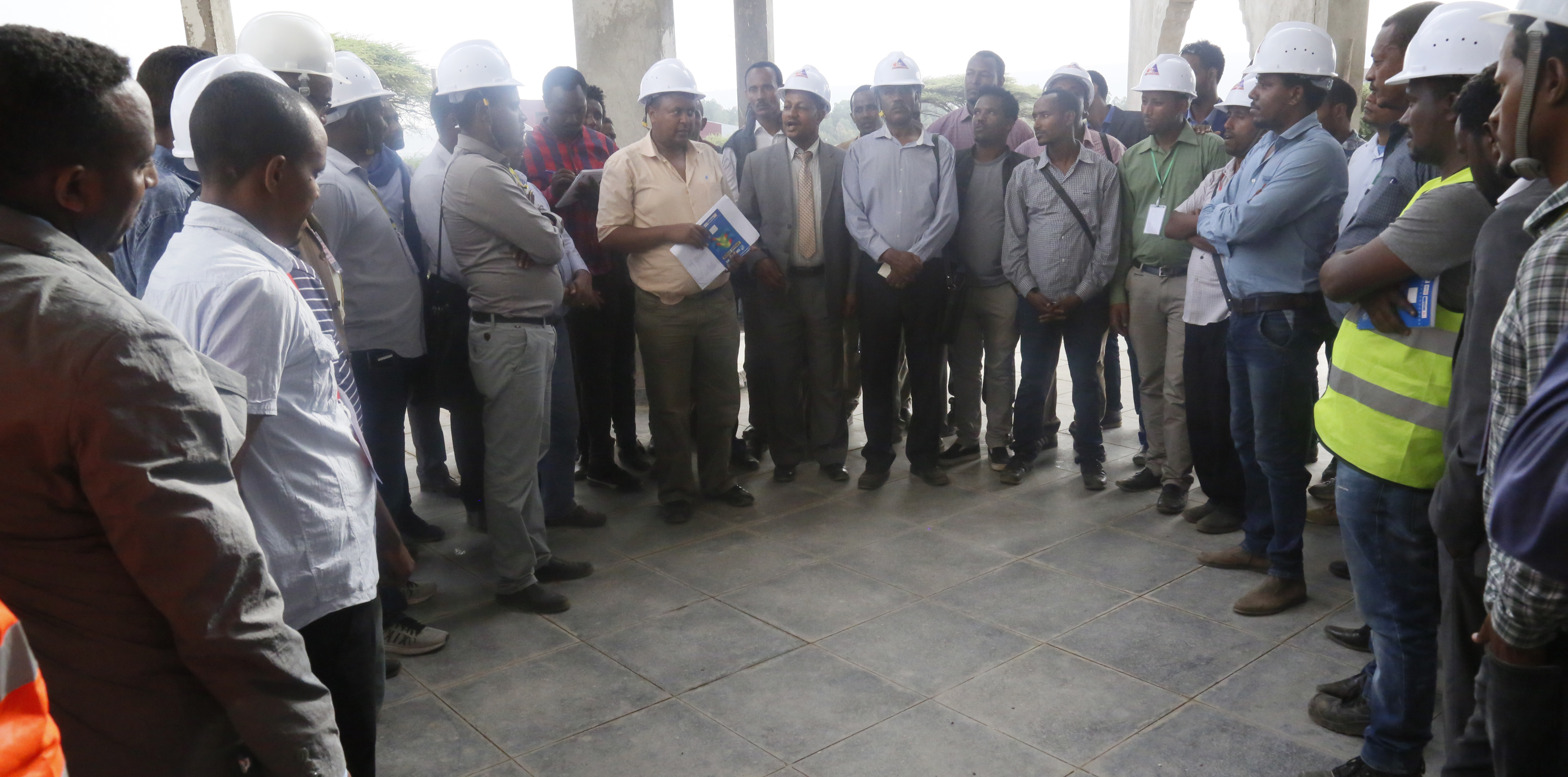
The Master’s program in Environmental Architecture at ASTU, College of Civil engineering and architecture, intends to provide students with specialist knowledge and insight into the relationships between low energy architectural design, energy and indoor environmental performance, and building occupants. The program offers balanced academic and practical content. Students explore the latest developments in environmental design theory and practice. Master of Science in “Environmental Architecture” Curriculum, June 2026 Students will work within an architectural school with a well-established design culture, and within a specialist research unit providing key research skills. The core content is structured to provide students with an intellectually intense experience in the contemporary issues of theory integrated with the practice of design of sustainable and healthy built environments. Project-based learning and case study models enable students to develop real world learning skills and experience. The dissertation/design thesis will provide a vehicle through which candidates will be supported to become masters of their selected subjects of interest. The curriculum of the MSc in Environmental Architecture is structured around three main concerns related to the environmental impact of the built environment: optimizing environmental performance, minimizing environmental impact and integrated energy design processes.
Program Educational Objectives (PEOs)
- PEO1 Graduates will demonstrate advanced expertise in environmental architecture by designing and developing sustainable, climate responsive and high-performance built environments with low impact on the natural environment that respond to the challenges of urbanization and climate change in Ethiopia and elsewhere.
- PEO2 Graduates will conduct scholarly and professional activities including independent research, teaching in higher education, policy making and consultancy in the field of environmental architecture and related disciplines.
- PEO3 Graduates will be able to demonstrate leadership, ethical practice and effective communication while working in multidisciplinary teams and collaborating with stakeholders to promote sustainable development and community-based projects.
- PEO4 Graduates will contribute to the advancement of environmental architecture in professional practice or academia through the application of advanced tools such as AI, BIM, Digital Twins, GIS, and performance simulation and circular/net-zero design
- PEO5 Demonstrate commitment to lifelong learning and professional development in sustainable built environments.
Student Outcomes (SOs)
- SO1 Apply advanced theoretical knowledge of environmental architecture, principles of sustainability and bioclimatic design to critically analyze and solve complex real-world problems in the built environment.
- SO2 Design innovative, climate-responsive, high-performance architectural projects through integrated methodologies that optimize environmental performance, energy efficiency, and occupant health.
- SO3 Conduct independent research using appropriate methodologies resulting in a high[1]quality thesis or design project.
- SO4 Utilize digital technologies to support environmental analysis, optimization, and decision-making in architectural design and planning.
- SO5 Execute environmental impact assessment, policy analysis, circular economy principles, and sustainable material selection for low-carbon and regenerative design.
- SO6 Communicate complex design ideas, research findings, and technical solutions effectively through verbal, written, visual, and digital media to diverse professional and community audiences.
- SO7 Exhibit professional ethics, leadership, teamwork, and interdisciplinary collaboration in project management and stakeholder engagement within the context of sustainable
- SO8 Evaluate and apply contemporary trends, standards, and best practices in environmental architecture while considering socio-cultural and economic context of Ethiopia.
Credit distribution of course category
|
NO |
Course type |
Total credi hour |
ECTS |
|
1 |
Compulsory mandatory Courses |
13 |
21 |
|
2 |
Compulsory elective Courses |
16 |
36 |
|
3 |
Compulsory elective Courses |
2 |
3 |
|
4 |
Seminars |
2 |
4 |
|
5 |
Master Thesis |
6 |
10 |
|
TOTAL CREDIT HOUR |
39 |
74 |
|
Upcoming Events
 HCERES International Accreditation Evaluation Visit to ASTU
Calendar
| November 2026 | ||||||
|---|---|---|---|---|---|---|
| M | T | W | T | F | S | S |
| 1 | ||||||
| 2 | 3 | 4 | 5 | 6 | 7 | 8 |
| 9 | 10 | 11 | 12 | 13 | 14 | 15 |
| 16 | 17 | 18 | 19 | 20 | 21 | 22 |
| 23 | 24 | 25 | 26 | 27 | 28 | 29 |
| 30 | ||||||
Systems

Connect with us
We're on Social Networks.
Follow us & get in touch.